Build your kingdom Field notes / 06
HearthHold heroes: commanders, governors and equipment
Give HearthHold heroes a clear role. Learn how to approach recruitment, town governors, progression and equipment without confusing rarity with a plan.
The quick answer
Use HearthHold heroes according to the job you need them to perform. Inspect their current abilities, level, equipment and availability before assigning them to a town or army. A governor and a marching commander serve different needs; develop a useful role instead of judging a hero by rarity alone.
Start with the role you need
Before recruiting or investing in a hero, identify the problem you want to solve. Is your focus town development, a particular army or the next expedition? Read the hero's current details and compare them with that objective.
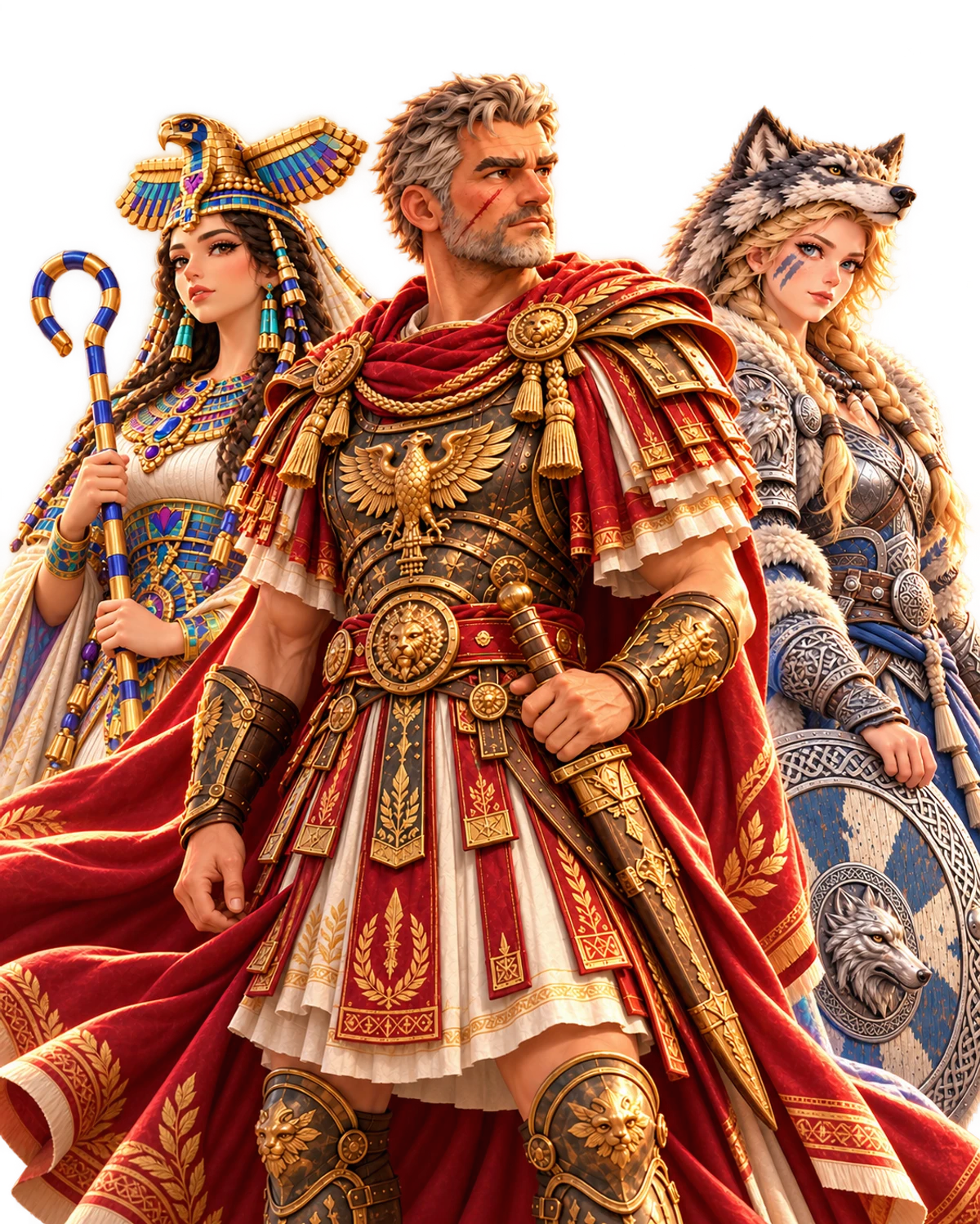
A striking portrait or higher rarity does not explain how a hero fits your plan. The relevant questions are what the hero contributes, what conditions apply and whether you can use that contribution now. Inspect the in-game information rather than assuming every hero provides the same kind of bonus.
Recruitment is the beginning of a commitment
The Tavern offers heroes for recruitment, and hiring costs Gold. Higher Tavern levels improve the rarity of available recruits; the Heroes’ Hall increases how many heroes you can hold. Read the current recruitment requirements before hiring. Once you have a hero, check level and experience progress alongside the systems available for development. Keep track of which hero you are improving and why.
Spreading attention across every available hero can make it difficult to understand the result of each investment. Pick a useful role, observe how that hero performs, then reassess. This is a planning principle, not a claim that a particular rarity or named hero is always optimal.
For an expedition, inspect availability before preparing the march. A hero's current location or task can matter just as much as the statistics on the profile.
Think of governors as part of your town plan
Governors help town production, construction and research; Politics and hero skills contribute to their effects. A governor assignment should support the town it belongs to. Read the effects shown by the game, then ask whether they match the town's present priorities. An assignment that made sense during early development may deserve another look when your focus changes.
Sending a governor on a march pauses the town benefits while the hero is away. The assignment can resume on return when its conditions still hold. Keep town and army plans coordinated. Do not assume that an assignment is interchangeable with leading a march, or that a hero is available for every action at once. The live action requirements explain whether the current hero state is eligible.
If you use the Training Arena, read the eligibility and training information in the current build. Governor eligibility and other details can change during beta; old guides can preserve rules the game no longer uses.
Read equipment as part of a complete setup
Compare the effect of a piece with the hero's job before equipping or upgrading it. Review the equipment already attached to your heroes as well as the pieces in your bag. A good decision considers the whole setup and the cost of changing it.
Use reports and the live statistics to evaluate your choices. If an army performs poorly, do not immediately blame the hero: troop composition, target information and the wider combat conditions also matter. The combat guide provides a checklist for those decisions.
Hero development belongs inside the same economy as buildings and troops. Budget for it deliberately so that a single investment does not leave the rest of your kingdom without a plan.
Common questions
Is the rarest hero always the right choice?
Rarity alone does not explain fit. Compare the hero’s current abilities, development, equipment and availability with the job you need done.
Where should I check current hero and equipment effects?
Use the hero and equipment details in the live game. Beta changes can make old numerical recommendations inaccurate.
Written for the current beta and checked against the game's mechanics on 25 October 2026. Balance and availability can change. The live game shows current costs, requirements and effects.
About these guides